What drives our approach to yoga education
We create learning environments where foundational practice meets systematic instruction, helping students build confidence through clear progression and practical understanding.
How we built this learning platform
Starting in 2017, we noticed something specific happening in online education. People wanted to learn yoga poses properly, but most resources either skipped fundamental details or overwhelmed beginners with too much too fast. The gap between "watch this video" and "now you understand alignment" was bigger than anyone acknowledged. We decided to address that gap directly by building a structured seminar format that breaks down each pose into manageable components.
Our instructors come from backgrounds where precision matters. They've spent years teaching in studios, working with physiotherapists, training other teachers, and they understand how bodies actually learn movement patterns. When we design a course module, we map out specific checkpoints for each pose, identify common misalignments we see repeatedly, and structure progression so each session builds directly on what came before. This isn't about marketing philosophy or wellness branding. It's about creating reliable pathways from "I don't know where to start" to "I can demonstrate this pose correctly."
What makes our platform different is the level of detail we maintain throughout each seminar. When we cover downward dog, for instance, we don't just show the final position. We break down hand placement, shoulder engagement, spine alignment, hip positioning, and foot pressure distribution across multiple sessions. Students get live feedback during group seminars, access to recorded breakdowns they can review repeatedly, and structured assignments that help them recognize their own alignment issues. We've watched thousands of students progress through these courses since 2017, and the pattern is consistent: clear instruction combined with regular practice produces measurable improvement.
The international scope brings its own challenges and advantages. Our instructors work across multiple time zones, which means we can offer seminar sessions that fit different schedules. The multilingual support isn't just translation; it's culturally adapted instruction that accounts for different movement vocabularies and teaching traditions. A student in Singapore might approach triangle pose with different body awareness than someone in Stockholm, and our instructors adjust their cueing accordingly. This adaptability, built through years of teaching diverse populations, creates learning environments where students feel understood rather than standardized.
Core principles we follow
- Every pose broken down into specific alignment points with clear visual references
- Progression structured by physical preparation rather than arbitrary difficulty rankings
- Live seminars with group sizes small enough for individual feedback
- Recorded content available for review and practice between sessions
- Instructors with documented teaching experience and continued education
- Cultural adaptation in cueing and instruction across different regions
What you actually get in our seminars
Detailed pose analysis
Each basic pose receives thorough examination across multiple sessions. We identify the specific muscle engagement patterns, discuss common compensation strategies, demonstrate modifications for different body types, and provide checkpoints you can use to assess your own alignment. You're not guessing whether you're doing it right.
Progressive skill building
Course structure follows logical physical development. Before we introduce binds, you've developed the shoulder mobility they require. Before complex balances, you've built the stability patterns they demand. Each module prepares your body for the next one through specific preparatory work rather than arbitrary scheduling.
Interactive learning format
Live seminar sessions include demonstration, student practice with observation, direct feedback from instructors, and peer discussion about common challenges. Recorded components let you review specific sections repeatedly. The combination creates learning cycles where understanding deepens over time rather than hoping one viewing will stick.


Who teaches these courses
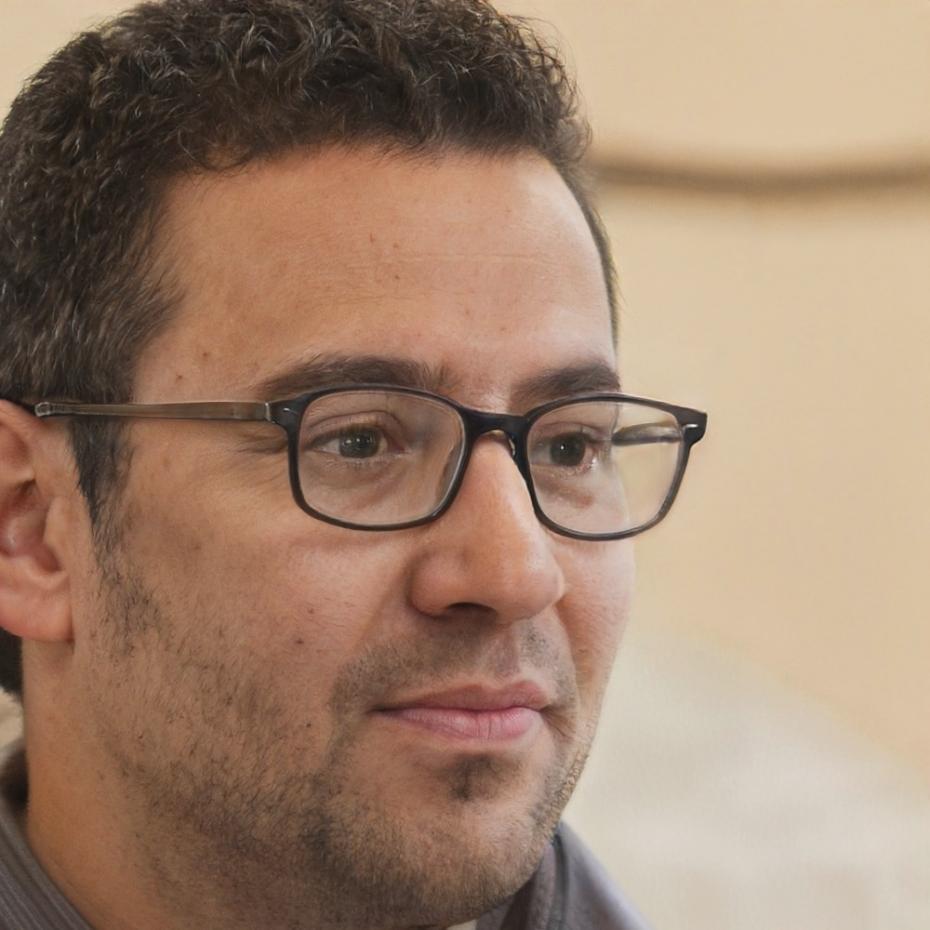
Vilmar Bergqvist
Lead Instructor, Foundational Practices
Vilmar has been teaching movement for fifteen years, starting in physical therapy rehabilitation before transitioning to yoga instruction. His background gives him a particular eye for alignment issues that create problems over time. He's certified through multiple international training programs, but more importantly, he's spent thousands of hours watching students progress from basic poses to advanced practice. That observation informs how he structures courses and what details he emphasizes.
When Vilmar designs a seminar module, he draws from a database of common mistakes he's documented across different student populations. He knows which cues work for students with tight hamstrings versus those with hypermobile joints. He understands how cultural background affects body awareness and adjusts his teaching approach accordingly. His courses for Perdiconolatry reflect this accumulated knowledge, providing students with instruction that accounts for real variation in how bodies move and learn.
Beyond course design, Vilmar trains other instructors in the detailed observation techniques that make personalized feedback possible in group settings. The consistency students experience across different Perdiconolatry seminars comes partly from the teaching frameworks he's developed and refined since joining the platform in 2018. His work ensures that whether you're in a morning session or an evening one, the quality of instruction remains reliable.